Relationships develop in stages. The introduction comes first, followed by any number of pleasant encounters adding up to an acquaintanceship. With time, trust and mutual respect take root, and a friendship blossoms. But at any stage in this process, a loss of contact or interest can unravel it all.
That’s not just true in life, however. In the context of financial services, a new account doesn’t necessarily mean a new relationship. Why? Because consumers today have more places to save, spend, borrow, and manage their money than ever before.
J.D. Power’s 2026 U.S. Retail Banking Satisfaction Study puts that challenge into perspective, noting that the average checking customer maintains three deposit accounts across different institutions. In other words, and in many cases, you’re no longer aiming to be their sole provider. Your goal now may be becoming their primary provider among several.
To foster that relationship, you need an optimal new account onboarding journey. Here’s a methodology, timeline, and some suggested communications for developing relationships that last.
Key Takeaways
Give New Account Holders a Proper Welcome
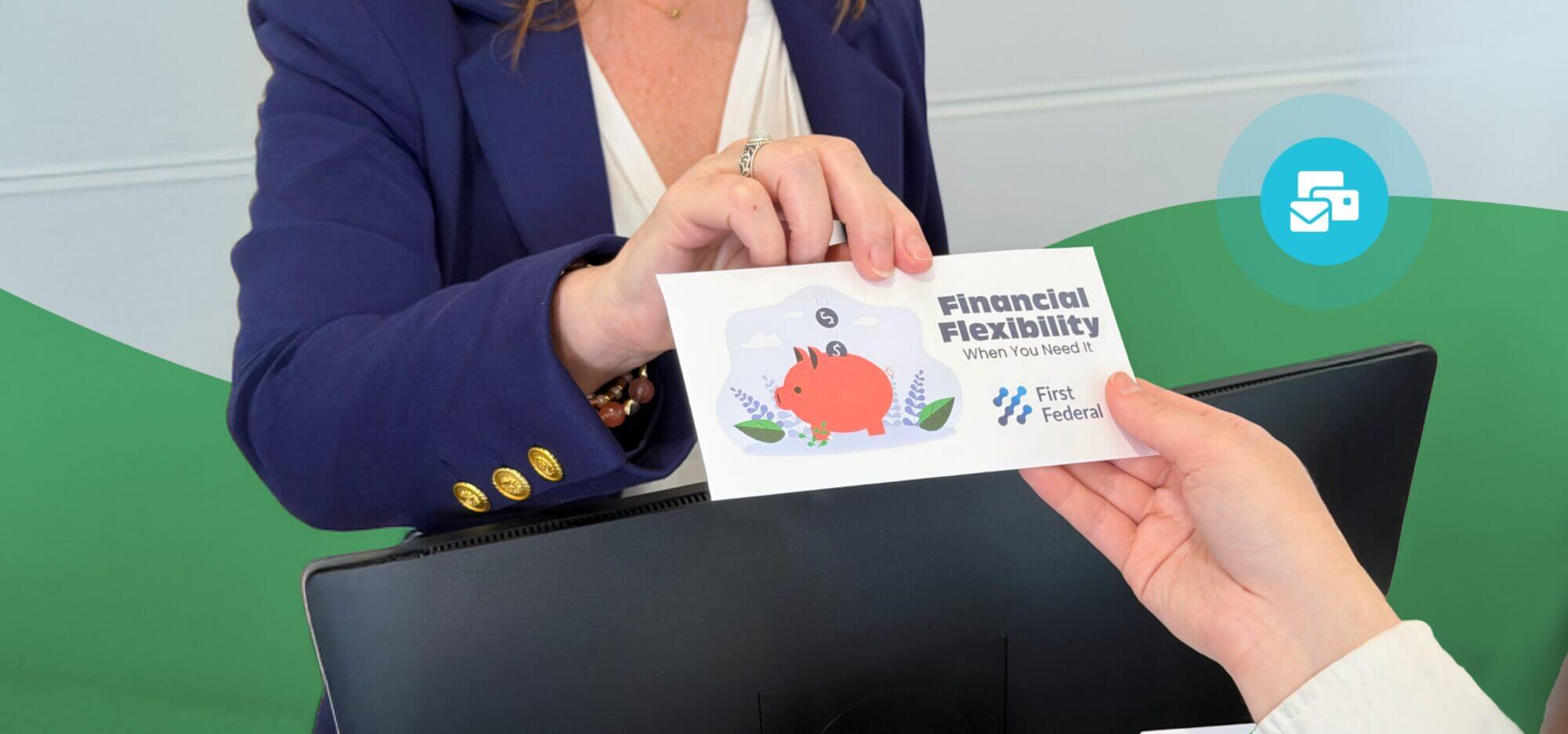
First impressions are critical, but an introduction can’t mean much without follow-up. That makes the welcome message one of the most important parts of customer onboarding in banking. A simple email or letter after an account is opened can do wonders for advancing the plot. If their business matters to you, take the time to tell them so.
Suggested Timing
This message shouldn’t take a week to send. Aim for the first 48 hours after account opening to maximize the opportunity and express gratitude for their trust.
Suggested Messaging
Keep it simple with a pure “welcome” message. You can even add a few helpful links and resources to make sure they have everything they need to get started. Here’s a checklist of what you might include for maximum impact:
Help Them Make the Most of Their New Account
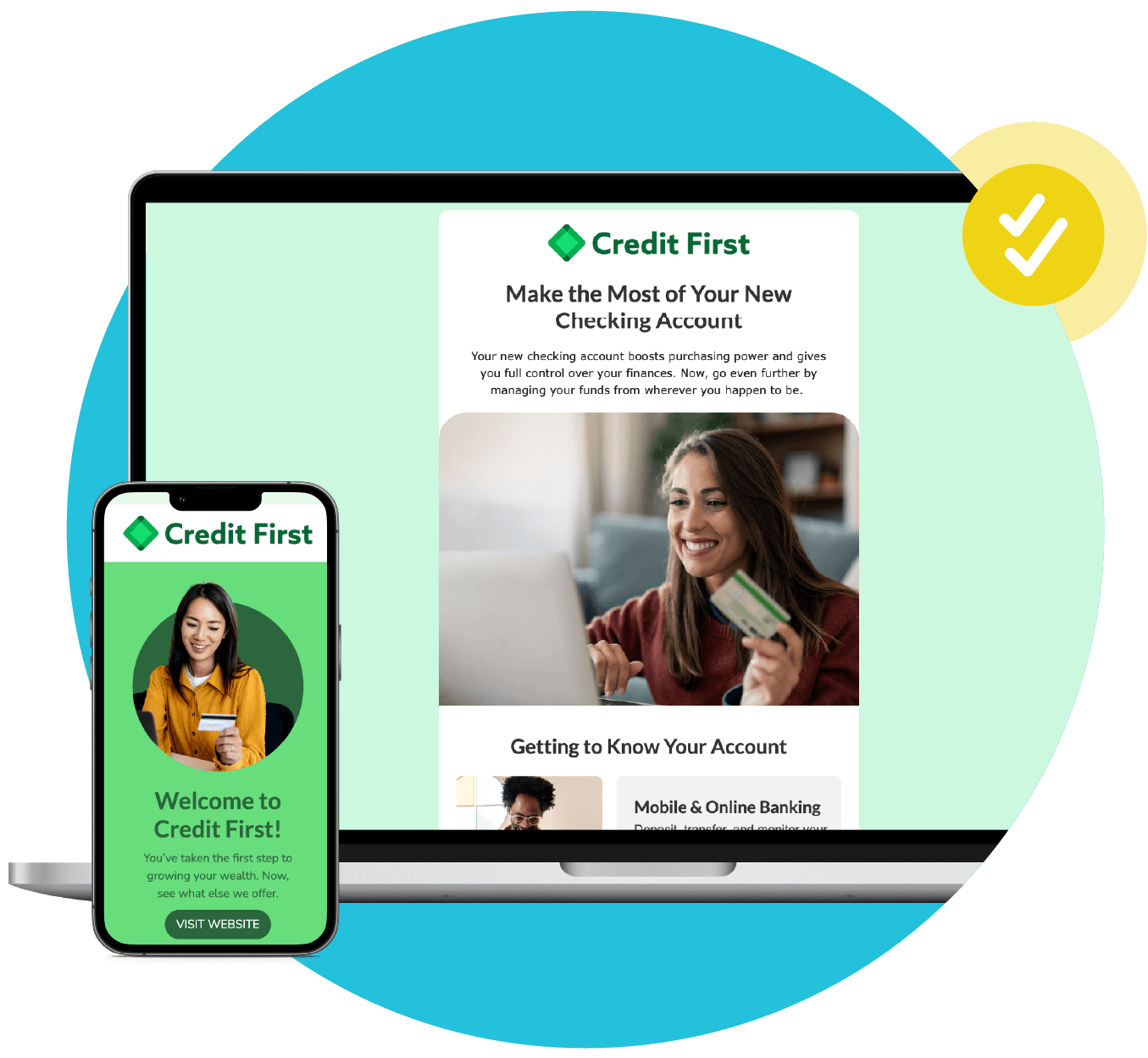
Now that you’ve welcomed them aboard, it’s time to help them settle in. That means introducing secondary features and services that make their new account easier to use and more valuable in the long run.
Suggested Timing
Ideal timing here is as few as three days or as many as seven after the account open date. This gives your welcome message room to breathe. Ultimately, they should receive this message soon enough to be helpful, but not so soon that it makes them feel pressured to click here, sign up there, choose new preferences, etc.
Suggested Messaging
Focus on the tools that help account holders access and manage their money. What you highlight will depend on the account and services your institution offers, but a few common starting points include:
Make Your Institution Part of Their Financial Routine
Finally, it’s time to advance from an introduction into an acquaintanceship. To become a part of your new account holder’s everyday life, you’ll need them to enroll in truly helpful digital services for keeping track of deposits, withdrawals, and more.
Pro Tip: Direct deposits are especially valuable here. According to the ABA Banking Journal, many institutions consider direct deposit setup evidence of a primary banking relationship.
Suggested Timing
Aim for seven to 14 days after account opening. By now, they’ve downloaded your mobile app, enrolled in digital banking services, and have their card activated. Their confidence should be high enough that they’re ready to take the next steps.
Suggested Messaging
Focus on the services that can turn a new account into an everyday account. Depending on the products and capabilities your institution offers, consider highlighting:
Check In and Encourage Deeper Engagement
If all has gone according to plan, your new account holder has settled into a routine with your institution as the cornerstone of their financial life. That makes this a good opportunity to check in, introduce a few remaining services, and find out how things are going.
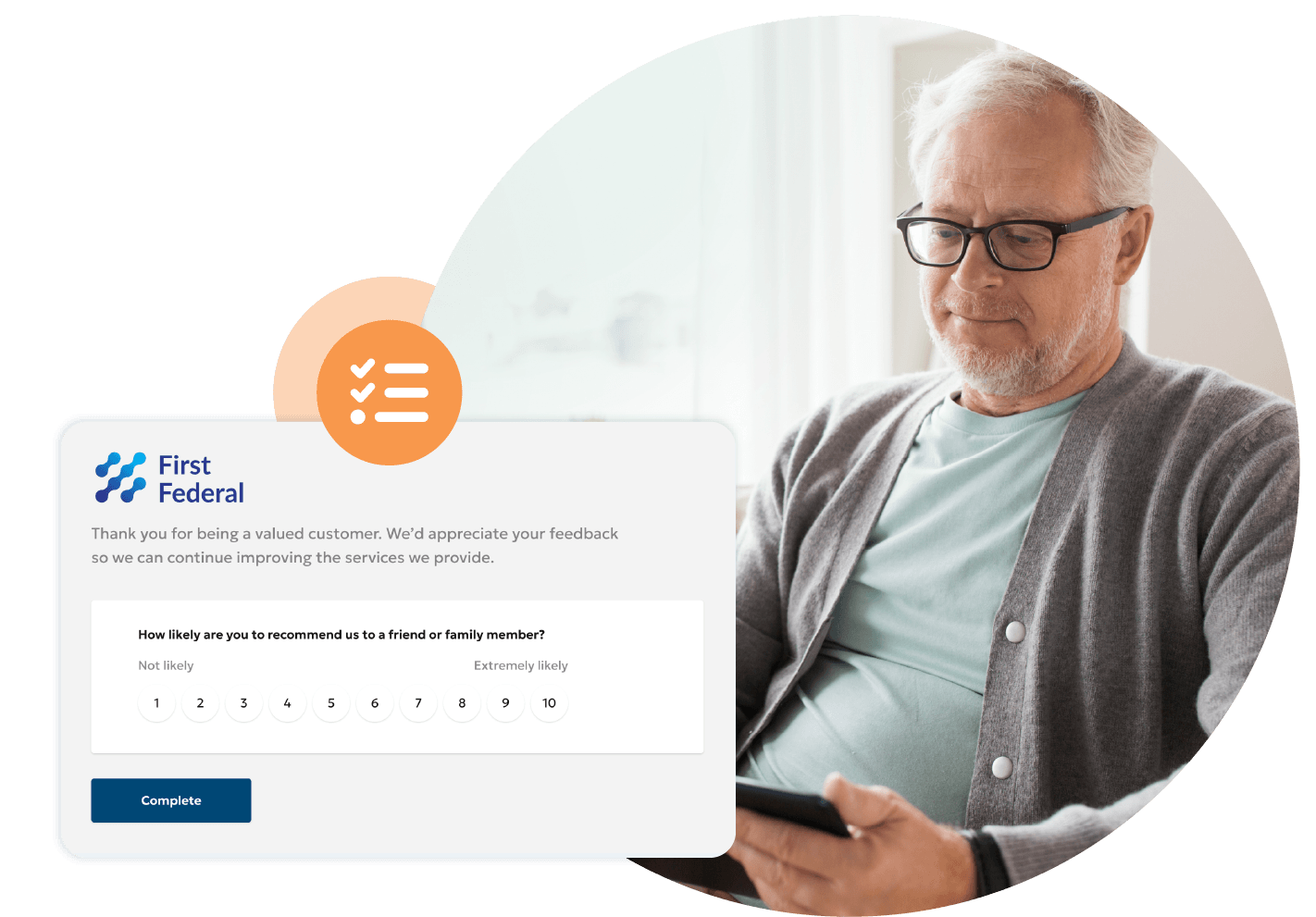
Pro Tip: This is an ideal moment to gather feedback about your onboarding process. A quick survey, even one as short as a single question, can provide valuable insight for improving financial services onboarding over time.
Suggested Timing
Aim for 14 to 30 days after account opening. At this point, account holders have had enough time to use their new account and form an initial impression. They may also be more receptive to features they didn’t need – or weren’t ready to consider – during their first few days.
Suggested Messaging
This communication can combine a quick check-in with a few helpful reminders. Keep the focus on improving their experience rather than introducing products simply for the sake of promotion.
Build the Relationship with Relevant Offers
By this point, your new account holder has been welcomed, equipped, encouraged to establish everyday habits, and given an opportunity to provide feedback. Now we can responsibly introduce another product – but only when it makes sense for the relationship.
Pro Tip: Start by building on what they already have. Those with a checking account may benefit from a complementary savings product. Someone actively using a debit card might be a better candidate for a credit card. The goal isn’t to sell for the sake of selling. It’s to identify a genuine gap you can fill.
Suggested Timing
Aim for 30 to 60 days after account opening. This gives account holders time to establish the relationship before you introduce another product. It also gives your institution more information about the products and services they already use, making a relevant recommendation easier.
Suggested Messaging
At this stage, relevance should determine what gets sent and to whom. Segment new account holders according to their existing relationships and focus on one logical opportunity at a time.
Turn Onboarding into an Ongoing Relationship
By now, your new account holder shouldn’t feel so new anymore. You’ve spent the past few months welcoming them, helping them get established, and learning more about their needs. But remember that relationships can unravel when communication stops.
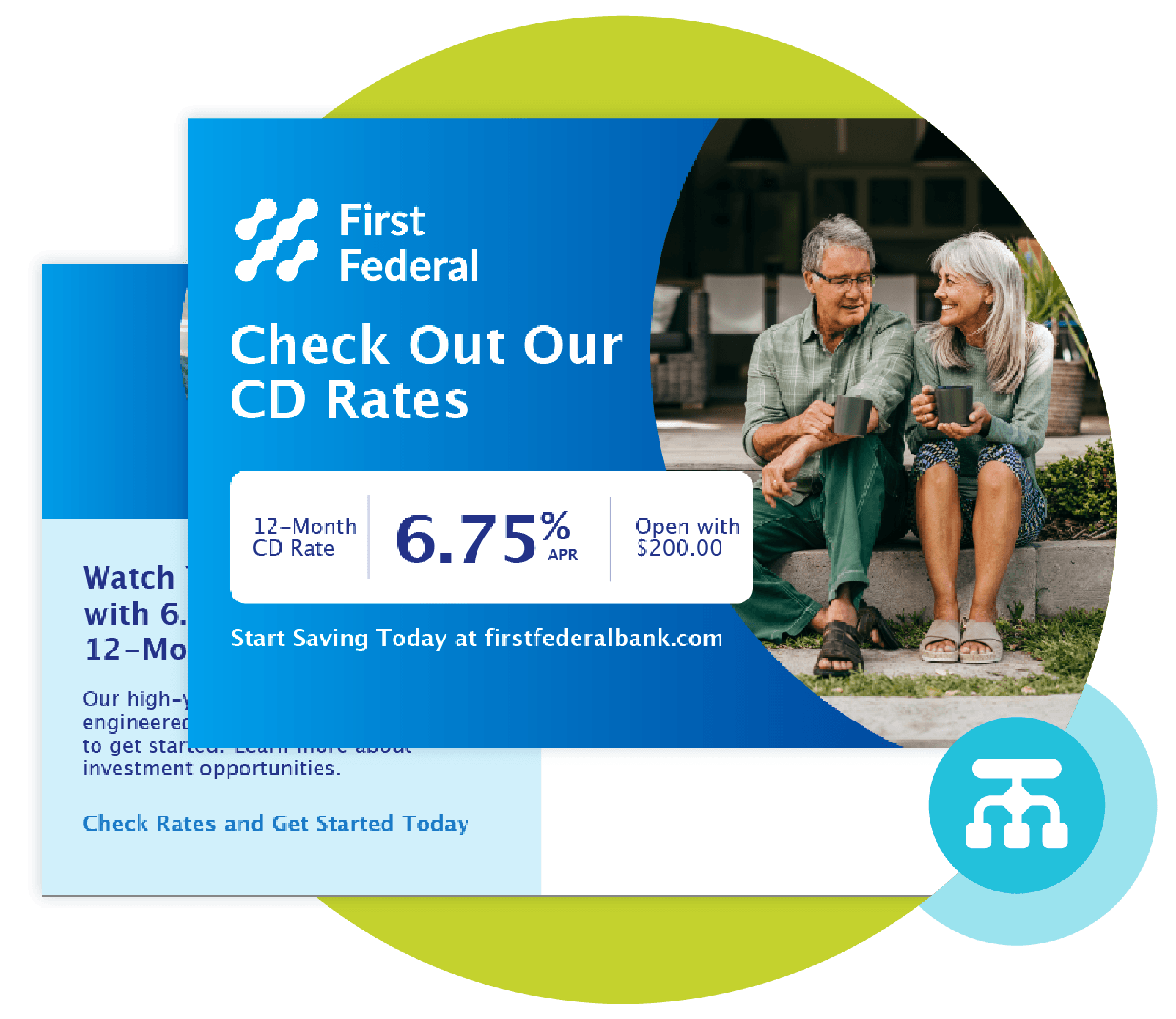
Pro Tip: Don’t mistake the end of onboarding for the end of outreach. What you’ve learned about your account holder over the past few months can help make future communications more relevant to their needs and interests.
Suggested Timing
Aim for 60 to 90 days after account opening to make the transition. At this point, onboarding communications can begin giving way to your institution’s regular outreach. The important thing is that account holders continue hearing from you with enough relevance and regularity to keep the relationship moving forward.
Suggested Messaging
Think of this communication as a bridge between onboarding and the broader account holder journey. What comes next should depend less on when they opened their account and more on what you know about the relationship you’ve built.
Better Relationships Start (and Last) with Better Onboarding
At the beginning of this process, you may have been just one in a series of providers. But by following the timeline and recommendations above, you give yourself the best shot at becoming their primary institution – not just in the short term, but for a lifetime.
In an age of shifting loyalties and multiplying competition, a robust onboarding journey is an absolute must, especially for community institutions. Demonstrate how seriously you take the opportunity by sending the right message at the right moment and by staying helpful for the people who choose you.
Put Your Onboarding on Autopilot with Connect by Main Street™
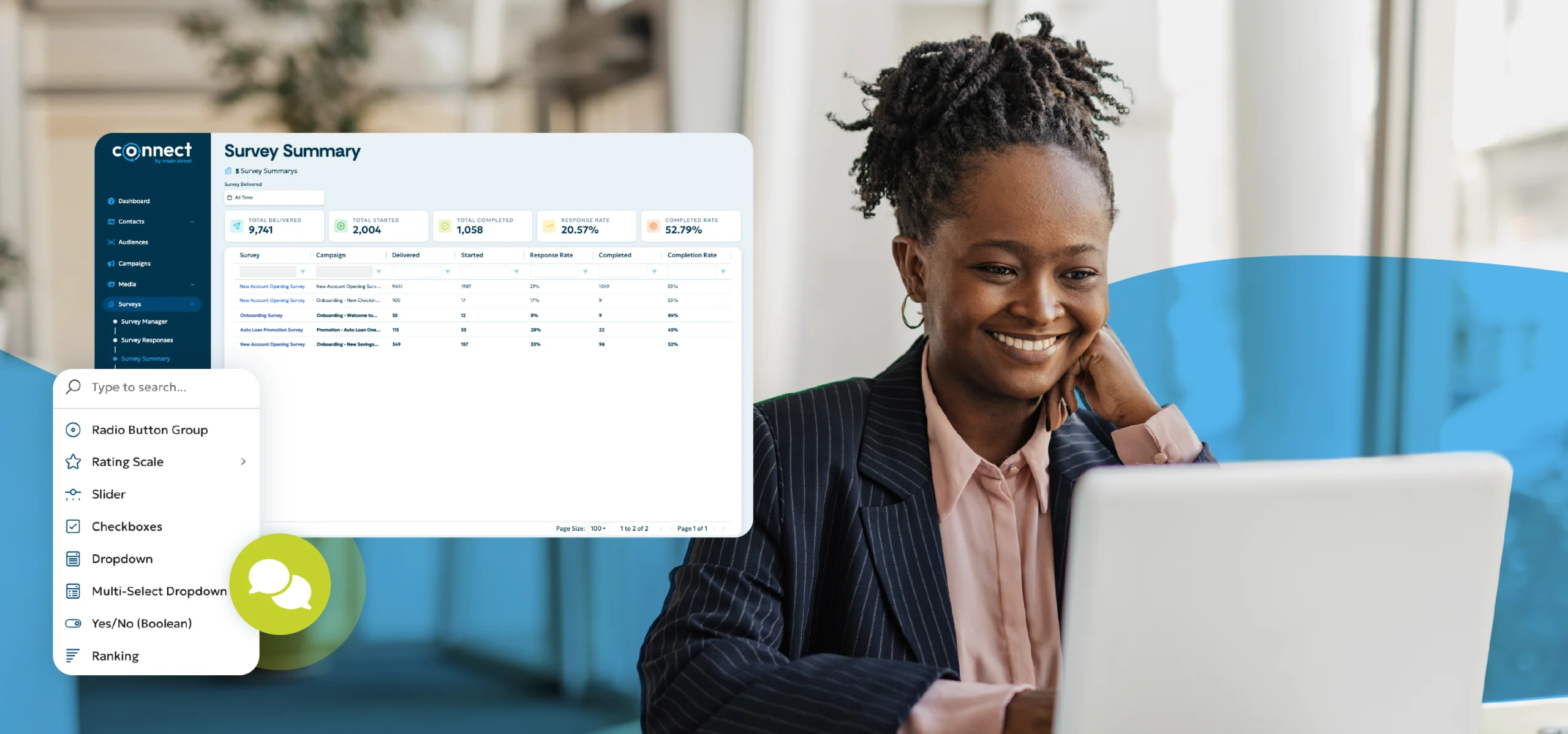
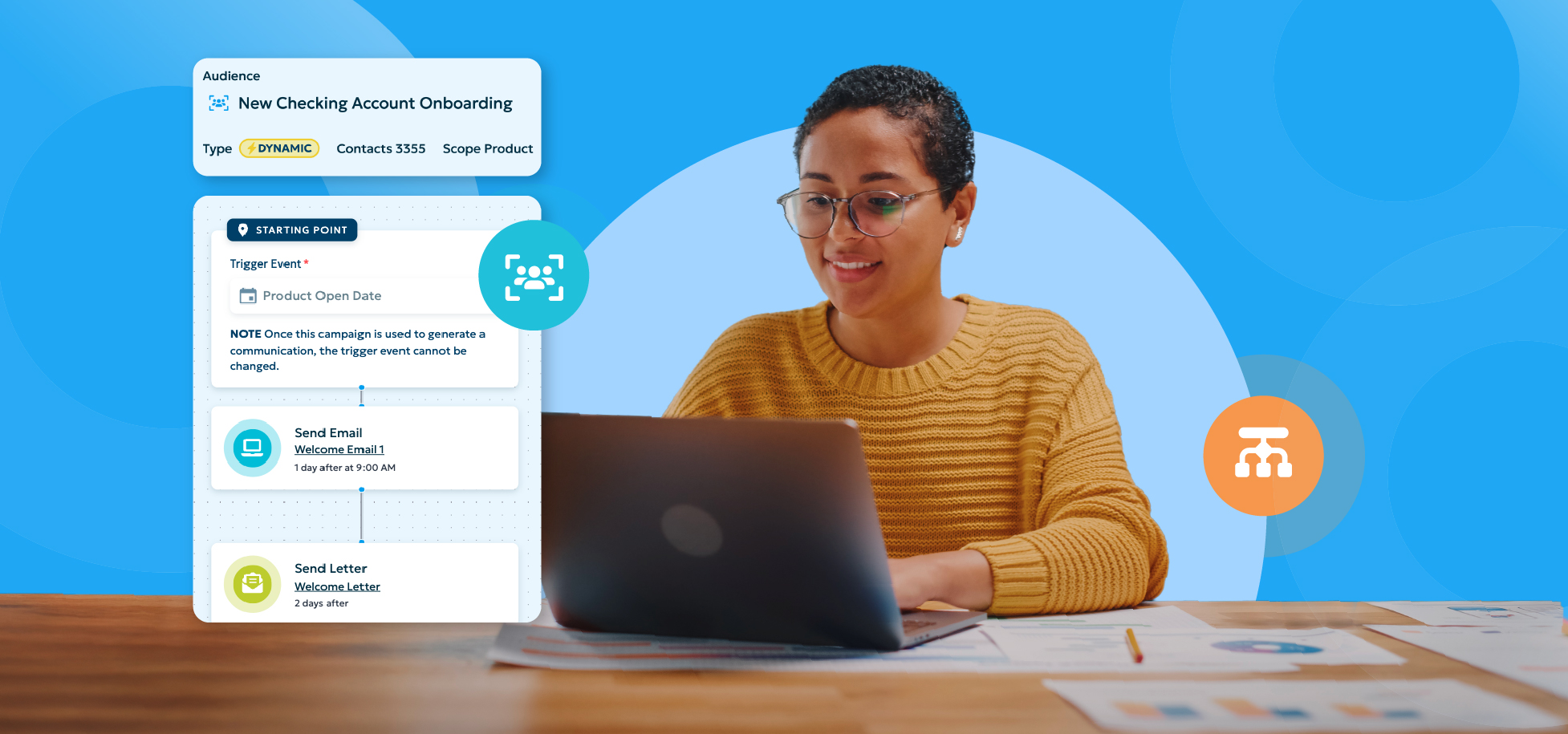
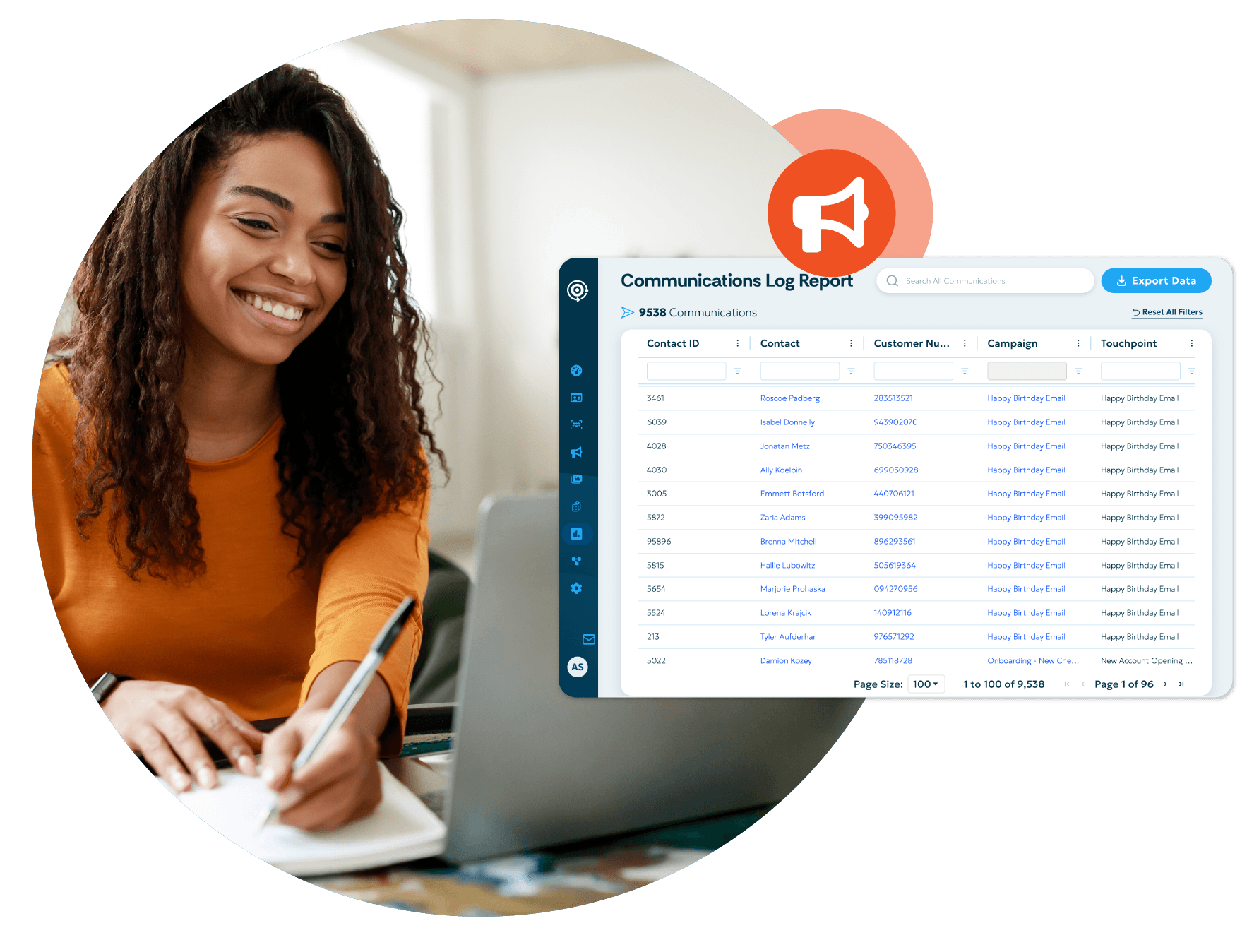
Connect by Main Street™ makes customer onboarding automation easier with automated communications powered by your core data. Segment new account holders, schedule timely email and print communications, introduce relevant products, and track results from one platform built specifically for financial institutions.
Sources:
Gibson, Mark. “How Customer Primacy Drives Value in 2025.” ABA Banking Journal, July 17, 2025. https://bankingjournal.aba.com/2025/07/how-customer-primacy-drives-value-in-2025/.
J.D. Power. “Warning Signs Flash for U.S. Retail Bank Customer Satisfaction, J.D. Power Finds.” March 26, 2026. https://www.jdpower.com/business/press-releases/2026-us-retail-banking-satisfaction-study/.