
You don’t have to go too far back in your family tree to find a farmer. From subsistence gardens and sharecropping to full-scale ranching, we all worked in the dirt in one fashion or other in just the recent past.
But what’s family history for most is still a reality for some. Today’s farms – family or otherwise – are subject to global market pressures, trade policies, commodity prices, and the most unpredictable force of all: the weather. It’s no wonder that America’s farmers need a lifeline – one that’s best offered by community financial institutions.
To provide the right solution at the right time, it helps to know how agribusiness banking aligns with what they need, when they need it, and how those needs change throughout the year. The better your institution understands these needs, the better positioned it is to earn new business and strengthen existing relationships.
Key Takeaways
Understanding the Financial Needs of Agricultural Businesses
Agribusiness banking represents a significant part of the community banking landscape. According to the Federal Reserve Bank of St. Louis, outstanding agricultural loans at U.S. community banks reached $162.6 billion in the first quarter of 2026, a 4.6% increase over the previous year.
Meanwhile, the USDA projects that farm production expenses will rise 4.5% in 2026 to $492.8 billion. These figures underscore both the importance of agricultural lending and the financial demands facing the businesses that depend on it.
Of course, agricultural businesses face many of the same financial difficulties as other businesses, but the nature of their work comes with unique challenges.
Seasonal Cash Flow & Operating Expenses
Agricultural businesses often incur significant expenses months before generating revenue. These costs vary by operation and may include:
These uneven cash flow cycles make access to working capital especially important. Agricultural operating loans and lines of credit can help cover expenses until revenue arrives, while repayment schedules aligned with production cycles can make financial obligations more manageable.
Equipment, Property, and Long-Term Investment
Beyond everyday expenses, agricultural businesses must also plan for major investments that support long-term productivity and growth. These may include:
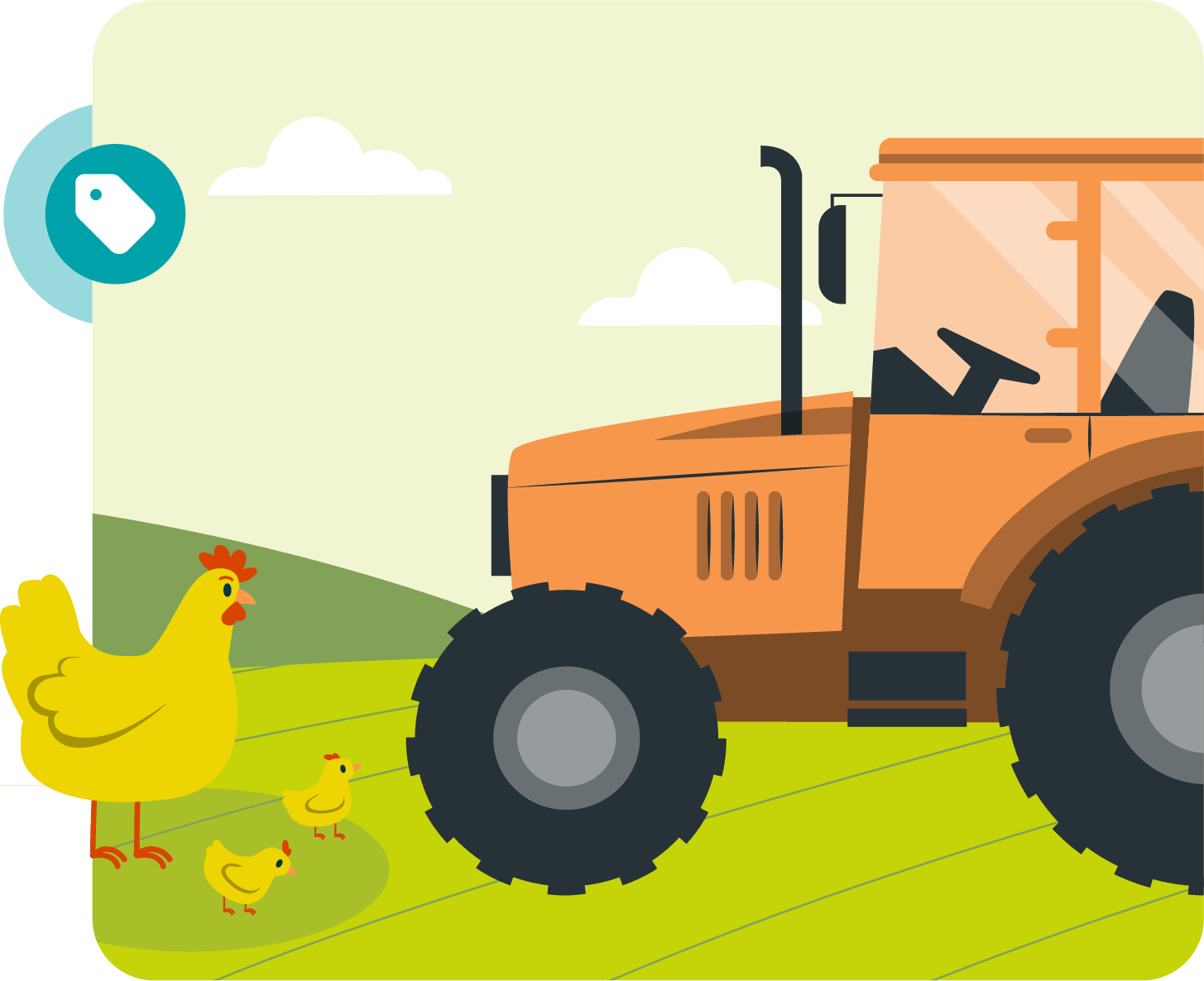
Agricultural equipment financing can help businesses acquire tractors, combines, and other essential machinery without exhausting working capital. Meanwhile, agricultural real estate loans can support land purchases and facility improvements.
Because these investments involve substantial costs, agricultural finance solutions with repayment terms suited to the asset and cash flow can help businesses plan for the future.

Turning Agricultural Financial Needs into Banking Opportunities
Understanding these financial challenges is only the first step. For community financial institutions, the greater opportunity lies in anticipating those needs and offering relevant solutions throughout the year. That requires looking beyond individual lending transactions to consider the full agricultural relationship.
Anticipate Seasonal Financing Needs
Timing matters in agricultural banking. Farmers and agribusinesses often plan major expenses well in advance. Financial institutions can use these opportunities to introduce relevant financing options before needs become immediate.
For example, many U.S. crop farmers begin planting between March and June, making the preceding months an opportunity to promote operating loans. Other crops, such as winter wheat, follow fall planting schedules. Livestock producers may need financing for herd expansion or feed purchases at different times.
Then consult regional planting calendars to anticipate financing needs and plan outreach accordingly.
Look Beyond Agricultural Loans
Lending may be the foundation of many relationships, but the agricultural banking services businesses need extend well beyond loans. Depending on the size and nature of their operations, they may also benefit from:
Build Relationships That Last Past the Harvest
Strong agricultural banking relationships require attention beyond individual transactions. Regular communication helps financial institutions understand how their account holders’ businesses are evolving.
Consider scheduling annual relationship reviews to discuss upcoming investments, financing concerns, and long-term business plans. Short surveys can also help uncover changing needs, gather feedback on existing services, and identify areas where account holders could use additional support.
Reaching Agricultural Account Holders with More Relevant Communications
Effective agricultural marketing starts with understanding who you’re communicating with and what matters to their business. Rather than sending the same messages to every account holder, use the information your institution already has to develop targeted campaigns that reflect agricultural needs, seasonal priorities, and existing relationships.
Segment Agricultural Account Holders
Start by identifying agricultural businesses within your account holder base. Review available core data, including business classifications, loan types, and account relationships, to build an audience for targeted communications.
From there, create smaller segments based on the products and services each business already uses. For example, agricultural borrowers without business deposit accounts may be candidates for a deposit campaign, while established deposit customers may benefit from information about financing.
Use these segments to tailor your messaging to specific needs rather than treating every agricultural business as part of the same audience.
Plan Communications Around Agricultural Cycles
Once you’ve identified your audience, build a campaign calendar around the agricultural activities common in your service area. Use regional planting and harvesting schedules to determine when particular financial products and services may be most relevant.
For example, promote farm operating loans several weeks before planting begins, when producers are budgeting for supplies and labor. Ahead of harvest, consider communications about equipment financing or cash management services.
Work with your agricultural lending team to confirm local timing and priorities before launching each campaign. Their firsthand knowledge can help you choose more relevant messages and avoid poorly timed outreach.

Measure Results and Refine Your Approach
Track campaign performance to understand which messages and offers resonate with an agricultural audience. Start with email engagement metrics, such as click-through rates, and monitor responses to direct mail campaigns where possible.
Look beyond engagement to determine whether campaigns lead to meaningful action. Track inquiries, applications, and new product adoption to evaluate how your communications support business goals.
Finally, compare results across audience segments, campaign timing, and financial products. Use these findings to adjust future campaigns, whether that means changing when you reach out, refining your messaging, or focusing on a different group of account holders.
Make Agricultural Marketing Work for Your Institution
Effective agricultural marketing doesn’t require extensive research or specialized expertise. Start by learning which agricultural businesses operate in your service area, reviewing their seasonal needs, and working with your lending team to understand the financial challenges they face.
With that knowledge, your institution can develop more relevant campaigns, reach account holders at the right time, and identify products and services that fit their needs.
Put Agricultural Marketing into Action with Connect by Main Street™
Connect by Main Street™ helps community financial institutions put their account holder data to work. Use core-integrated audience segmentation to identify agricultural audiences, reach them through targeted email and direct mail campaigns, and measure results with reporting and analytics. Optional surveys can help you better understand their changing needs.

Sources:
Williams, Krista. “Banking Analytics: Agricultural Lending by Community Banks Remained Strong in Q1.” On the Economy, Federal Reserve Bank of St. Louis, July 30, 2026. https://www.stlouisfed.org/on-the-economy/2026/jul/banking-analytics-agricultural-lending-community-banks-remained-strong-q1.
U.S. Department of Agriculture, Economic Research Service. “Farm Sector Income & Finances: Farm Business Income.” Last modified September 3, 2026. https://www.ers.usda.gov/topics/farm-economy/farm-sector-income-finances/farm-business-income.